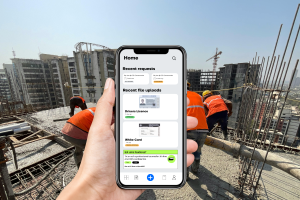

Getting a new worker onto a construction site should be straightforward.
But for many construction, mining, civil and infrastructure businesses, mobilisation can involve a mountain of administration before a worker ever steps through the site gate.
Tickets need to be collected. Licences need to be checked. Inductions need to be completed. Expiry dates need to be monitored. Project requirements need to be confirmed. Then someone has to make sure all the information is actually up to date.
When this process is managed through emails, spreadsheets, phone photos and different systems, getting workers site-ready can quickly become a major administrative task.
A streamlined construction workforce mobilisation process can help businesses reduce delays, improve visibility and make sure workers have the documentation they need before starting work.
What Is Workforce Mobilisation in Construction?
Workforce mobilisation is the process of preparing workers to start on a construction project.
It begins before the first shift and can include collecting and managing:
White Cards
Trade licences
High Risk Work Licences
EWP and forklift tickets
Working at Heights certificates
Confined Space certificates
VOCs
Driver licences
Training certificates
Site inductions
Medical and mobilisation information
Other project-specific compliance documents
The exact requirements will depend on the worker, role, project, client and site.
The challenge for businesses is making sure all of these requirements are completed before the worker arrives on site, rather than discovering something is missing at the last minute.
Why Construction Workforce Mobilisation Can Become a Problem
Construction projects often involve multiple workers, subcontractors, labour hire companies and specialist contractors.
A single project may have hundreds of people working across different roles, companies and locations.
Each worker can also have different compliance requirements.
One worker might need a White Card and driver’s licence, while another may require an EWP ticket, Working at Heights, Confined Space and a specific VOC.
Trying to manage all of this manually can create several problems.
1. Missing documentation
A worker may be ready to start, but their required ticket or licence hasn’t been provided.
This can lead to last-minute phone calls, emails and messages between the worker, supervisor and administration team.
2. Expired tickets
A document that was valid when a worker was onboarded may no longer be current when they are assigned to another project.
Without ongoing expiry tracking, businesses can end up discovering expired documentation when they need it most.
3. Repeated requests for the same information
Workers often move between projects and companies.
If their information isn’t organised properly, they may be asked to send the same White Card, licence or certificate repeatedly.
This creates unnecessary administration for both the worker and the business.
4. Delays getting workers onto site
If documentation isn’t ready when a worker is needed, mobilisation can be delayed.
For a project operating on tight schedules, even a small administrative delay can create knock-on effects for supervisors, crews and project managers.
What Does a Good Construction Mobilisation Process Look Like?
A good mobilisation process should be simple, repeatable and easy for workers to complete.
The goal isn’t to create more paperwork.
It’s to create less paperwork and better visibility.
A strong process generally includes five key stages.
Step 1: Define the requirements
Before onboarding a worker, establish exactly what they need for the role and project.
For example, an excavator operator may require different documentation from a labourer or electrician.
Create clear requirements based on:
Job role
Project
Site
Equipment
Client requirements
State or territory requirements
Required licences and qualifications
Site-specific inductions
This prevents administration teams from requesting unnecessary documents while also reducing the chance of missing something important.
Step 2: Collect documents digitally
Workers should be able to provide their information without printing forms, scanning documents or sending multiple photos through different messaging platforms.
A digital onboarding process allows workers to upload their documents directly.
This can make the process faster for both sides and gives businesses a central place to manage worker records.
Step 3: Check compliance before mobilisation
Don’t wait until the morning a worker is due on site to discover a problem.
Review the worker’s documentation before they are scheduled.
Check that required documents have been submitted and that relevant tickets and licences are current.
Where verification is required, make sure the appropriate consent and verification processes are followed.
Step 4: Track expiry dates
Worker compliance doesn’t end after onboarding.
Tickets, licences and certificates can expire at different times.
A workforce compliance system should make it easier to identify upcoming expiries and give workers or administrators enough time to take action.
This is particularly important for businesses managing large workforces where manually checking every worker’s documentation becomes difficult.
Step 5: Keep worker information connected to projects
Once a worker is compliant, businesses should be able to see where that worker is assigned and what documentation applies to their role.
Connecting workers to projects can give administrators and supervisors better visibility across the workforce.
Instead of asking:
“Is this worker compliant?”
the business can ask:
“Is this worker compliant for this project and this role?”
That distinction can make workforce management much more practical.
The Role of Workers in Workforce Mobilisation
Mobilisation shouldn’t be entirely dependent on the administration team.
Workers should have responsibility for keeping their own information current too.
After all, a tradie is often the person who knows first when they’ve completed a new course, renewed a licence or received a new ticket.
Giving workers access to their own digital compliance profile allows them to maintain their information and have their documents available when they move between jobs.
This creates a more connected approach where:
Tradies manage their credentials.
Companies manage their workforce.
Everyone works from the same information.
Why Mobile-First Compliance Makes Sense
Construction workers aren’t sitting behind a desk all day.
They’re on sites, in vehicles, in workshops and moving between projects.
That’s why workforce compliance systems need to work where workers actually work — on their phones.
A mobile-first approach allows workers to:
Upload tickets from their phone
Access their documents when needed
Keep their profile updated
Share relevant credentials
Receive reminders
Manage their compliance information while working in the field
For businesses, the benefit is that information can flow directly from the worker into the workforce management process.
Construction Mobilisation Shouldn’t Mean More Administration
The purpose of improving mobilisation isn’t to create another complicated system.
It’s the opposite.
The right system should remove repetitive administration.
Instead of:
Email → Download → Save → Rename → Spreadsheet → Chase expiry → Search again
businesses can move towards:
Worker → Upload → Manage → Track → Mobilise
That means less time spent chasing documents and more time managing the actual workforce.
How Tradie Pass Helps Get Workers Site-Ready
Tradie Pass connects tradies and companies through one digital workforce compliance platform.
Tradies can use the Tradie Pass app to store their tickets, licences and important documents, while companies can manage worker records, compliance requirements, projects and workforce information through the business portal.
Businesses can use Tradie Pass to help:
Collect worker documentation
Manage tickets and licences
Track expiry dates
Manage worker profiles
Associate workers with projects
Organise compliance information
Schedule workers
Manage digital timesheets
Reduce repetitive paperwork
The result is a more connected approach to workforce mobilisation and compliance.
Build a Faster, More Organised Workforce
Getting workers onto site shouldn’t depend on finding the right email attachment or asking a tradie to send their White Card for the fifth time.
A streamlined mobilisation process gives construction businesses better visibility over their workforce while making it easier for workers to manage their own credentials.
As construction projects become more complex and workforces become more mobile, having a centralised approach to worker compliance can make a significant difference.
Get your workforce organised before they arrive on site.
With Tradie Pass, workers and businesses can keep compliance, workforce information and project requirements connected in one place.
Make Your Workforce Job-Ready today start your 30 day free trial