
Australia has long been a popular destination for skilled tradespeople looking for better career opportunities, higher earning potential and a different lifestyle.
From construction projects in major cities to mining operations across Western Australia and Queensland, there are opportunities for people with the right skills, experience and qualifications.
But moving to Australia for work involves more than booking a flight and finding a job. You need to understand visas, qualifications, safety requirements, tickets and the documents employers will expect you to have ready.
Here’s what you need to know before making the move.
Why Australia?
Australia has a large construction industry and a significant mining sector, with many roles requiring skilled workers.
The construction workforce was estimated at around 1.35 million people in May 2025, with Jobs and Skills Australia projecting further growth over the following decade. (Jobs and Skills Australia)
Mining is another major employer, particularly in Western Australia and Queensland. Mining employment is concentrated in regional and remote areas, including WA’s Pilbara region. (Jobs and Skills Australia)
For experienced tradespeople, this can mean opportunities across areas such as:
-
Construction
-
Mining
-
Civil construction
-
Engineering
-
Electrical
-
Mechanical trades
-
Welding and fabrication
-
Plant operation
-
Truck driving
-
Building and infrastructure
-
Maintenance
-
Drilling
-
Shutdown work
Your trade and experience matter
Before applying for jobs, understand how your overseas trade, qualification and experience compare with Australian requirements.
Some occupations may be eligible for skilled migration pathways, while others may have specific requirements around skills assessments, registration or licensing.
Australia maintains lists of eligible skilled occupations for different visa programs, including the Skills in Demand visa and various skilled and employer-sponsored visas. (Immigration and citizenship Website)
It’s important to check the requirements for your specific occupation rather than assuming that having an overseas qualification automatically means you can perform the same work in Australia.
Getting the right visa
Your visa will determine what work you can legally undertake in Australia.
There are several skilled migration pathways, including employer-sponsored, state or territory nominated, independent and regional options. (Immigration and citizenship Website)
For example, the Skills in Demand (subclass 482) visa is one temporary skilled work option and requires sponsorship. There are also regional skilled visas and permanent pathways depending on your circumstances. (Immigration and citizenship Website)
Australia’s skilled migration system can be complicated, s make sure you check the current requirements through the Australian Government’s Department of Home Affairs or speak with a registered migration professional.
Don’t forget your tickets and licences
This is one of the biggest things overseas workers need to think about.
Having years of experience doesn’t necessarily mean you can simply arrive and start work.
Depending on the job and location, you may need Australian or recognised licences, tickets, registrations, inductions or other evidence of competency.
Construction and mining employers can also require evidence of things such as:
-
White Card
-
Trade qualifications
-
Driver’s licence
-
High-risk work licences
-
Working at heights
-
Confined space
-
First aid
-
Site-specific inductions
-
Equipment tickets
-
Other safety and competency certificates
Always check the requirements for the particular role and state you’re planning to work in.
Get your documents organised before you arrive
One of the biggest mistakes you can make is leaving your paperwork until you land in Australia.
Create a digital folder containing copies of:
Identity
-
Passport
-
Driver’s licence
-
Visa documentation
Qualifications
-
Trade certificates
-
Apprenticeship records
-
Statements of attainment
-
Training certificates
Work history
-
CV/resume
-
Employment references
-
Previous project experience
Tickets & compliance
-
White Card
-
High-risk licences
-
Equipment tickets
-
Safety training
-
Medicals where applicable
-
Site inductions
Having everything organised means you can respond much faster when an employer or recruiter asks for your documents.
Construction and mining can work differently
If you’re coming from overseas, it’s worth understanding that Australian construction and mining sites can have strict compliance requirements.
A company may need to verify your qualifications, check expiry dates and make sure you have the correct tickets before you can be mobilised to site.
Mining work can also involve FIFO arrangements, where workers fly to remote mine sites and work a roster before returning home.
For someone moving to Australia, this can be a great opportunity — but it’s important to understand the roster, location, accommodation, travel arrangements and site requirements before accepting a position.
Be prepared for the Australian job market
Don’t rely on your overseas CV alone.
Australian employers often want to see your experience clearly presented, including:
-
Your exact trade
-
Years of experience
-
Major projects you’ve worked on
-
Equipment you’ve operated
-
Tickets and licences
-
Relevant qualifications
-
Safety training
-
References
-
Your current work rights in Australia
-
Your location and availability
If you’re applying from overseas, make it immediately clear when you’re arriving, what visa you’re on and when you’re available to start.
Keep your compliance documents together
Once you’re working across different companies and projects, keeping track of documents can become difficult.
Tickets expire. Licences need renewing. New qualifications get added. Different employers may request different documents.
That’s where having a digital compliance profile can make life much easier.
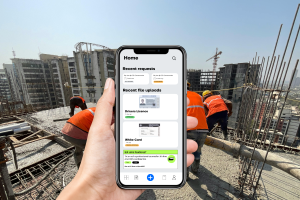
With Tradie Pass, tradies can keep their important work documents, tickets, licences and qualifications together in one place, making it easier to access and share their information when looking for work.
Instead of searching through emails, phone photos and old files every time an employer asks for a ticket, your documents can be available from your phone when you need them.
Moving to Australia? Start preparing before you leave
If you’re serious about working in Australian construction or mining, don’t wait until you arrive to get organised.
Start by:
-
Checking your visa options
-
Checking whether your occupation is eligible
-
Reviewing Australian licensing requirements
-
Organising your qualifications and certificates
-
Updating your CV
-
Collecting employment references
-
Checking which tickets you may need
-
Creating a digital copy of your important documents
-
Researching employers and recruitment agencies
-
Getting your compliance documents ready to share
Australia can offer fantastic opportunities for skilled construction and mining workers, but being prepared can make the difference between spending weeks trying to organise paperwork and being ready to step onto site.
Ready to make the move?
Whether you’re a carpenter, electrician, fitter, welder, operator, engineer or another skilled worker, getting your documents and compliance information organised before you arrive can put you one step ahead.
See Tradie Pass on the big screens at The Relocation Expo Dublin on Sunday 27 September 2026.
There will also be Australian companies actively looking for skilled workers, including employers across construction, mining, civil, engineering and trades.
Scan the QR code on the BIG SCREEN to download Tradie Pass and get yourself set up before you even land in Australia.
Upload your qualifications, tickets, licences and CV, and make yourself Open to Work so you can be ready when opportunities come your way.
Get your documents sorted. Get your profile ready. Get ready to work in Australia. 🇮🇪✈️🇦🇺
Visa requirements and occupational eligibility can change. Always check the latest Australian Government requirements for your individual circumstances.