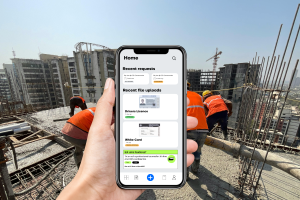

A subcontractor compliance system doesn’t need to be complex or expensive. It just needs to work the way they (and their crew) do.
The goal is simple: know who on your crew is compliant, prove it fast, and prevent delays caused by expired or missing tickets and licences.
In this 8 step guide, we’ll show you how to build a subcontractor compliance system from scratch that helps you stay audit-ready and avoid costly site issues.
1️⃣ Define what compliance means for your subcontractor business
Start by listing what you actually need on file for every worker and every job type you do.
For most subcontractors this includes trade licences, high-risk work licences, relevant tickets (EWP, working at heights, confined space, etc.), white cards, insurances, and site-specific inductions, plus WHS documents like SWMS for high-risk work.
Map these requirements against your typical projects and states, so you can say clearly: “To work for us on X type of job, you must have A, B and C.”
2️⃣ Choose one central place for crew documentation
Pick one place that will be the “single source of truth” for all compliance documents, even if it is basic at first.
This might be a structured folder system in cloud storage, a shared spreadsheet with links to files, or a simple subcontractor/worker management tool designed for construction businesses.
The key is that supervisors, office staff and whoever handles onboarding can all access the same up-to-date records from site or the office.
3️⃣ Standardise onboarding and document collection
Create a standard onboarding checklist and pack that every new worker or subcontractor must complete before coming to site.
This should clearly list required documents, how they must be provided (photo upload, PDF, etc.), and who approves them.
Use the same process every time so you are not reinventing the wheel, and make it clear that no one is booked on a job until their documentation is collected and verified.
4️⃣ Set clear rules for compliance verification
Decide who in your business checks documents, how they check them, and when something is rejected. At a minimum, someone should confirm that names match, expiry dates are current, and the licence or ticket covers the work being done.
Record approvals in a simple way (for example, a column in your register for “verified by / date”) so you can show a client or regulator that you did more than just file a photo.
5️⃣ Build a live compliance register you can trust
From your central storage, build a live register listing each worker, their key competencies, expiry dates and whether they are currently “cleared” for site.
Keep it simple: name, role, required documents, expiry, status. This lets you answer questions like “Who is cleared to operate an EWP next week?” in seconds, and makes workforce planning and site access control much easier.
6️⃣ Automate licence expiry reminders and reviews
Expiry dates are where many subcontractors get caught out, so set up reminders well before licences and insurances run out.
Some software will do this automatically for you, but in a manual system you can still use calendar reminders or spreadsheet alerts to prompt follow-up 30–60 days before expiry. Schedule a regular (monthly or project-based) review of your register to catch gaps, missing documents and workers whose roles have changed.
After all, expired tickets can have serious consequences on site.
7️⃣ Integrate compliance checks into daily site operations
A compliance system only works if it is used by the crew on site, not just in the office. Include simple compliance checks in pre-starts and toolbox talks, such as confirming that anyone doing high-risk tasks is listed as competent and current in your register.
Make it part of supervisors’ role descriptions to check that new faces on site are cleared, and give them easy access (phone or tablet) to your central system so they can verify in real time. Getting your crew to care about compliance is half the work.
8️⃣ Continuously improve your subcontractor compliance system
A simple compliance system is not about perfection; it is about having a clear, repeatable way to stay in control of who is allowed to do what on your sites.
Once you have the basics in place – one source of truth, standard onboarding, live registers and regular reviews – every new project becomes easier, safer and less stressful to manage.
Commit to starting small, stick with the process, and you will quickly reach a point where proving compliance is just part of how your business runs, not a scramble every time a client or regulator asks a question.
Build a system that runs itself
Tradie Pass BA Portal gives subcontractors one source of truth for tickets, licences and site approvals – with automated expiry reminders built in for both office crew and site crew to make sure tickets never lapse.
Stop chasing paperwork. Start running a compliant business.
👉 Get started with a 30-day Tradie Pass Portal Free Trial today.